

How to order coffee – rome
How to Order Coffee in Rome Without Looking Like a Tourist
Stop stressing about your caffeine fix in Italy: did you know locals spend under two minutes at the counter for their espresso, a tiny ritual that shapes millions of Roman days? I wrote this short guide to help you walk into any bar and confidently order coffee in Rome, sharing the exact phrases I use and the small cues that get you smiles instead of stares.
Forget the big, confusing menus and fancy coffee lingo! In Rome, it’s all about a quick espresso at the counter, which, trust me, is the best way to kick off your day. This guide is basically your cheat sheet: I’ll show you how to nail your order coffee in Rome with the exact simple Italian words, the easy etiquette so you don’t look lost, and how to spot a great local spot.

Isabella is a seasoned traveler from the United States. Her passion for travel has led her to exploring the world with her family, discovering new cultures and creating unforgettable memories.
Affiliate Disclosure: Some of the links on our site are affiliate links, meaning, at no additional cost to you, we may earn a commission if you click through and make a purchase. This helps us to continue providing valuable content and supports our efforts in bringing the travel community together. We only recommend products and services we believe in and think you’ll find useful. Complete details are included in our affiliate disclaimer. Thank you for your support!
In a Hurry? Here's our Key Info for This Article
- Learn short phrases to use at the counter and how to pay quickly.
- Understand why drinks are small and why speed is part of the ritual.
- Spot the right time to stand at the bar versus sit down.
- Use simple etiquette—nod, thank people, and follow the flow.
- Practice a few menu names to avoid ordering the wrong drink.
Must-Visit Attractions
Colosseum
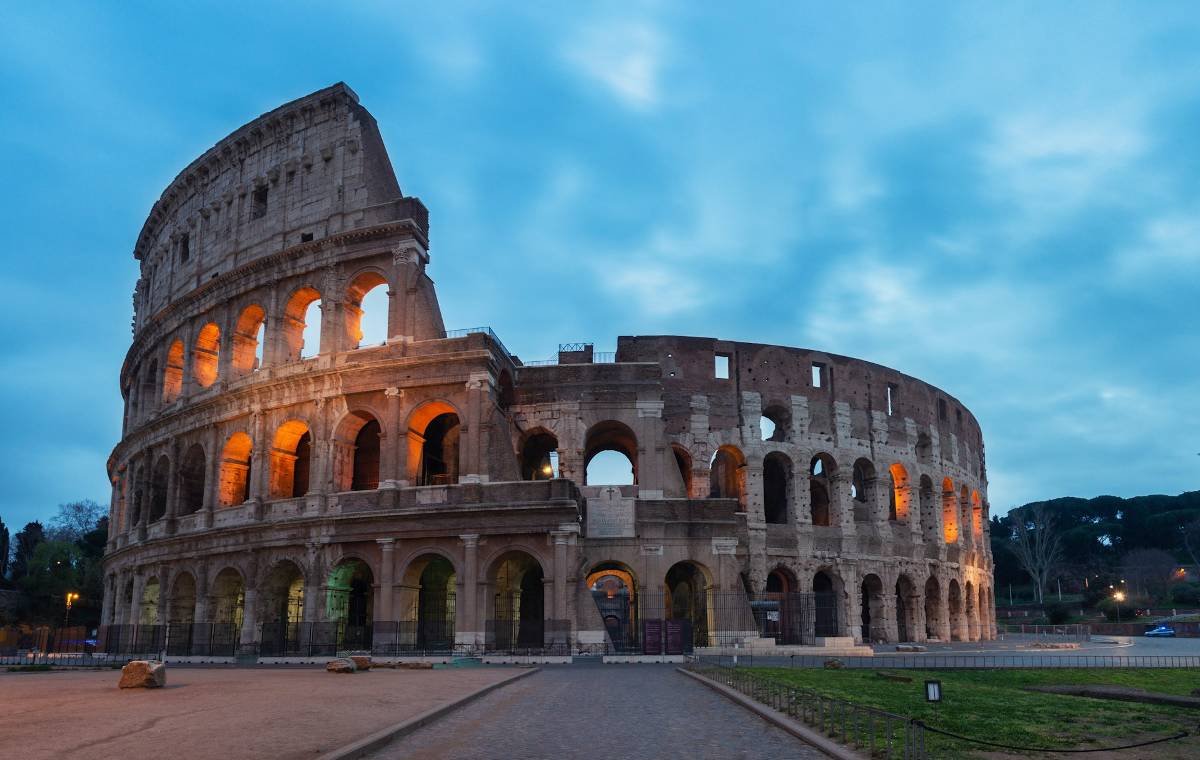
The Colosseum in Rome is an iconic symbol of the ancient Roman Empire and a popular tourist destination. Known for its impressive architecture, the structure was completed in AD 80 and could hold up to 80,000 spectators. Visitors can explore the remains of this historic amphitheater where gladiatorial contests and public spectacles took place. It's important to check the Colosseum opening hours before planning your visit as they can vary throughout the year. Located near the Roman Forum, the Colosseum is accessible by public transportation, making it convenient for tourists. Audio guides and guided tours are available to enhance the visitor experience and provide insights into its history. Tickets can be purchased online or at the site, but booking in advance is recommended to avoid long queues. A visit to the Colosseum offers a glimpse into ancient history and architectural mastery.
Pantheon
The Pantheon in Rome is one of the citys most well-preserved ancient buildings and continues to serve as a church today. Originally built as a temple for all Roman gods, it was completed by Emperor Hadrian around 126 AD. The structure is renowned for its massive domed roof, which features a central opening called the oculus that allows natural light to illuminate the interior. This architectural feature has fascinated visitors for centuries and represents a significant achievement of Roman engineering. Visitors planning a trip should note that Pantheon opening hours vary, typically from morning until late afternoon, but its advisable to check current schedules before visiting. Entrance to the Pantheon is generally free, making it an accessible attraction for tourists from around the world. Inside, you can see tombs of notable figures like the artist Raphael. Located in the heart of Rome, it offers easy access to other historic sites and local amenities.
Trevi Fountain
The Trevi Fountain in Rome is one of the citys most iconic landmarks, drawing millions of visitors each year. Designed by Nicola Salvi and completed in 1762, this stunning Baroque masterpiece stands at the junction of three roads (tre vie), which give the fountain its name. Visitors often toss a coin into the fountain over their left shoulder to ensure a return to Rome. While there are no official Trevi Fountain opening hours, it is accessible to the public at all times. The fountain features a central statue of Oceanus surrounded by tritons and sea horses, symbolizing the taming of the waters. Its impressive size and intricate design make it a must-see for anyone visiting Rome. Located near many other attractions, such as the Pantheon and Spanish Steps, it is conveniently situated for tourists exploring the city. Whether youre interested in art or simply looking for a picturesque spot, the Trevi Fountain offers something for everyone.
Stay Connected
Things to Do
Essential Apps

Surfshark VPN
Stay safe online and continue accessing all your services just like back home.

Budget Tips
How to Order Coffee in Rome
You don’t need a huge guidebook, just this quick tip: before you even think about picking a drink, just watch the room. A Roman bar is basically a fast, easy coffee spot where quick routines are everything. Here’s the drill: I pay at the register first, keep the little receipt (scontrino), and then head straight to the counter. Standing right at the counter (al banco) almost always costs way less than sitting down (al tavolo), which is a sneaky way to save cash near all the busy tourist sites! You’ll blend in even better when you learn a few simple names to order coffee in Rome and speak them clearly. People here appreciate speed and clarity, making you feel less like a tourist and more like a local. This is particularly helpful if you are a digital nomad in Italy needing to fit in.
- Time of day matters: milky drinks are morning-only—most avoid them after 11 a.m.
- Pay first, keep the receipt, then order at the counter to follow the flow.
- Match the bar’s pace and you’ll be served faster and blend in.
| Service | Typical Price | When to Choose |
|---|---|---|
| Al banco (standing) | Lower | Quick espresso or morning stop |
| Al tavolo (table) | Higher | Leisurely sit, tourist areas |
| Time-based choice | N/A | Milky drinks only before late morning |
Follow these small rules and you’ll read the bar’s way of life. It makes the whole day smoother and more enjoyable.
Rome Coffee Culture
When you step inside a local Roman bar for a coffee, you’re actually walking into a super long, cool story that kicked off way back with Ottoman traders and those early hangouts in Venice. That whole scene, especially after Pope Clement VIII did a famous coffee tasting and the 1720 Caffè Florian opened it’s doors in Venice totally set the vibe for people to meet up and chat over those tiny, strong cups. It’s a huge part of Italian history!
From Venice’s First Houses to Caffè Florian’s Spark
Caffè Florian, became the place to be! Think of it as the ultimate social hub where famous writers, actors, and even political thinkers like Goethe and Casanova hung out. The best part? Women were welcome right from the start, making those tiny cups of coffee the perfect anchor for social life across the city.
How Espresso Machines Changed the Course
This tiny espresso you’re holding? It’s a total tech story. It all kicked off with Moriondo’s big bulk machine back in 1884. Then, guys like Bezzera and Pavoni jumped in to make the service faster and safer. Next up, Illy figured out pressurized water, Gaggia brought in the amazing crema with a high-pressure lever, and finally, the famous Faema E61 machine in 1961 made sure every shot tasted exactly the same. It’s wild how much engineering goes into that little cup!
The Bar
By the middle of the 20th century, the local bar had perfected the combo of being super efficient and a great spot for a quick chat. The drinks stayed tiny and intense so people could sip it fast, gossip a little, and keep moving. That’s why you see those small porcelain cups, the quick pours, and a lively counter where even strangers can easily trade news!
- Local rhythm matters: quick orders, short stands, friendly nods.
- Machines and makers shaped how espresso tastes and is served today.
| Year / Maker | Innovation | Impact | Why it matters |
|---|---|---|---|
| 1884 — Moriondo | Bulk steam brewer (1.5 bar) | Faster group servings | Paved way for quick counter service |
| 1901–1906 — Bezzera & Pavoni | Single‑cup, safety, steam wand | Speed and milk drinks | Enabled varied menu like cappuccino |
| 1930s–1938 — Illy & Gaggia | Pressurized water, lever (≈10 bar) | Crema and richer espresso | Changed shot texture and flavor |
| 1961 — Faema E61 | Stable pressure/temperature | Consistent shots, faster service | Professionalized modern bar workflow |
How to order Coffee in Rome Without Faux Pas
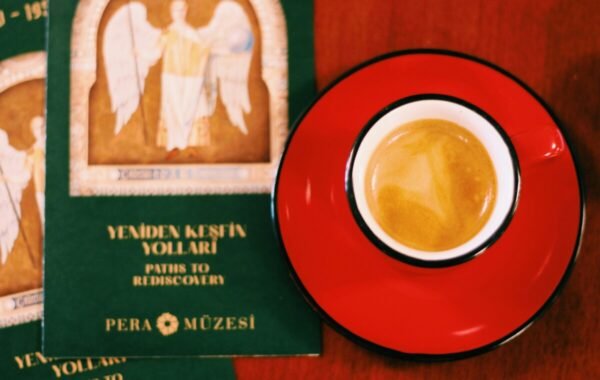
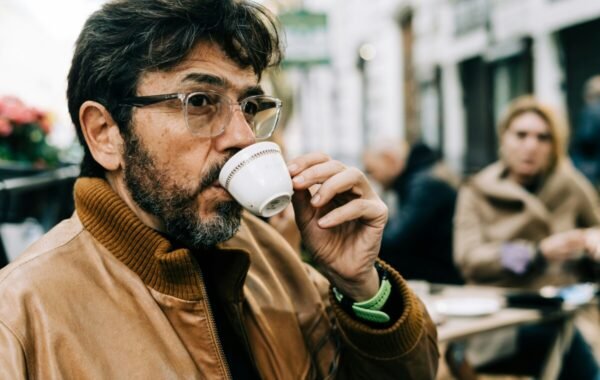
Acting fast and confident at the register is the biggest secret to blending in at any busy bar when you need to order coffee in Rome. I always stick to a super simple plan: pay first for whatever I want, hang onto the little receipt (scontrino), and then walk right up to the counter to place my order clearly. Easy!
Pay first, Keep the Scontrino
The trick is to just head straight to the till, pay up, and tuck that little receipt (scontrino) into your pocket, that piece of paper is your golden ticket! When you flash it at the barista, they’ll know exactly what you need and serve you super fast, which keeps everything moving quickly and avoids any awkward confusion.
Al Banco vs Al Tavolo
If I’m seriously in a hurry, I just say “al banco” and stay standing right at the counter, which is always faster and cheaper. But if I want to just chill out and people-watch for a bit, I’ll grab a table (al tavolo) and know that the price will probably be higher and the service will definitely be a little slower.
Ask “in vetro” for a Glass
If you really want to sound like you know the drill, just ask for “un caffè in vetro” when you want your espresso shot in a tiny glass instead of the normal porcelain cup. The baristas totally recognize that phrase, and it’s a quick, easy signal that you know exactly what you’re doing.
Sugar, Water, and the Quick Sip
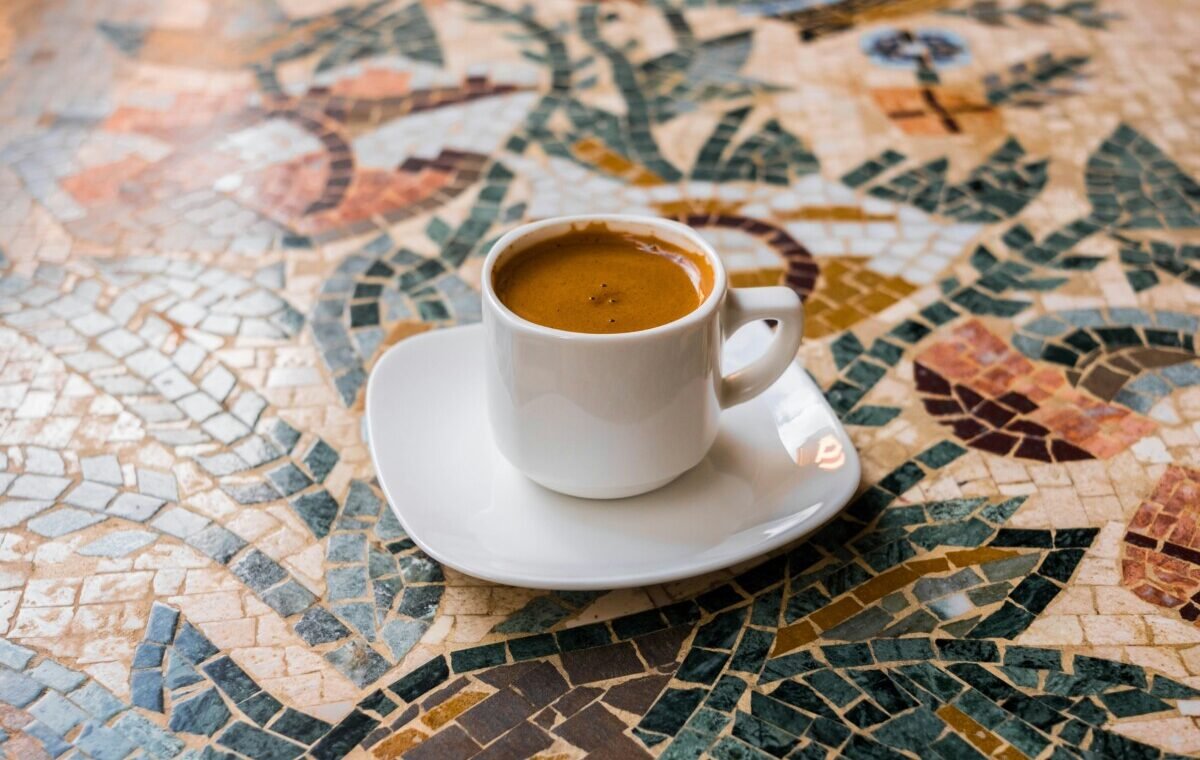
You’ll usually notice your espresso comes with a tiny glass of water, that’s not for afterward! The move is to sip the water first to reset your taste buds, and then take your espresso down in two or three quick sips. It’s the perfect way to truly taste the coffee.
- Place the scontrino where the barista can see it and make eye contact.
- Add sugar quickly if you want it, stir once, and drink while hot.
- No to-go cups in traditional bars — this is the local rules and rhythm.
| Service | Pace | Typical Price | Best For |
|---|---|---|---|
| Al banco (standing) | Very fast | Lower | Quick espresso, on-the-go |
| Al tavolo (table) | Leisurely | Higher | People-watching, relaxed chat |
| In vetro (glass) | Fast | Same as cup | Visual touch; local way to drink |

What to Order
The real trick is picking the right drink for the moment: something short and sharp if you’re in a rush, or something milky and slow for a relaxed breakfast. If I want the classic espresso in a nice, warm cup, I just start with “un caffè.” If you’re feeling brave, ask for a ristretto for a super concentrated shot, a lungo for one pulled longer, or a caffè doppio when you seriously need double the energy.
Caffè Macchiato
Want the middle ground between a straight espresso and something a little creamy? That’s the macchiato, which literally just means “stained” with milk. To get it right, just remember to say caldo if you want that milk splash to be hot, or freddo if you want it cool. It’s the perfect sweet spot!
Cappuccino, Latte Macchiato, and the Trap of “Latte”
For that classic morning experience, the cappuccino is your espresso mixed with nice, steamy milk and foam. A little pro tip: ask for it “in vetro” (in a glass) so you can actually see all the cool layers. If you want mostly milk with just a splash of coffee, go for a latte macchiato, but seriously, never just ask for a “latte” unless you literally want a plain glass of milk!
- Americano = espresso topped with hot water for a longer, milder sip.
- Shakerato and granita di caffè are summer bests—shaken or frozen with optional sugar and cream.
- Affogato, marocchino, monachella, and caffè corretto are dessert-style treats to try after a meal.
| Drink | What it is | Typical serving | When to order |
|---|---|---|---|
| Un caffè / Ristretto / Lungo | Single espresso, shorter or longer pull | Small porcelain cup | Quick break, strong or milder shot |
| Macchiato (caldo/freddo) | Espresso with a touch of milk | Small cup or glass | Mid-morning or anytime I want less bite |
| Cappuccino / In vetro | Espresso, steamed milk, foam | Cup or glass for vetro | Breakfast or relaxed mornings |
| Americano / Shakerato / Affogato | Espresso with hot water; shaken iced; espresso over gelato | Cup, chilled glass, or bowl with gelato | When you want a longer sip, a cold treat, or dessert |
Timing and Unspoken Rules Locals Live by
It might sound weird, but when you go to order coffee in Rome, the time on the clock can actually speak louder than whatever Italian words you use! Knowing a few simple timing rules will instantly tell you exactly what you should be asking for and when it’s the right time to just stand right up at the counter.
Morning only
I happily sip a cappuccino in the morning because it’s totally a breakfast drink, and Italians think milk feels too heavy later in the day. By the late morning, I switch to just a plain espresso or ristretto. That simple switch keeps the baristas from raising an eyebrow and helps you look like a total local.
After meals
For the local move after lunch or dinner, people always go for a neat little espresso shot to officially finish the meal. A simple, plain caffè is perfect because it cleanses your palate and gets your day back on track fast. Just ask for “un caffè” and keep it super quick! Ordering any kind of milky drink after food is pretty rare and might make you seem a little out of step with the local rhythm.
No to-go Cups and no Giant Lattes
Real classic bars almost never have takeaway cups because your drink is supposed to be enjoyed right now, not carried around all day! Also, those big, super customized drinks just aren’t the local thing here. In Rome, it’s all about intensity and a quick, brief moment, not a huge size or endless sipping.
I follow these rules and get smoother service and friendly nods:
| Time of Day | Typical Drink | Why | What I do |
|---|---|---|---|
| Morning (until ~11 a.m.) | Cappuccino, latte macchiato | Milk pairs with breakfast; considered heavier later | I order a cappuccino and enjoy it at the bar |
| Midday / After meals | Espresso (neat) | Clears the palate and speeds the day | I ask for “un caffè” and drink quickly |
| All day | Shakerato or americano (seasonal) | Cold or longer sips for heat or preference | I match mood and time, rarely order large sizes |

Regional twists and How Italians Drink Coffee at Home
You know, checking out the regional favorites is the coolest way to see how every city makes that daily cup feel totally local. I love using my taste buds to guide me: a special coffee treat in one place can taste completely different just a few hours down the road!
North vs South
If you ever go to Turin, you have to try the bicerin, it’s this rich little glass layered with espresso, hot chocolate, and cream that tastes like dessert and gives you a quick kick! Down south, though, places like Bari do the espressino or marocchino, which are tiny shots topped with cocoa powder and foam. The coolest part? Just ordering a simple macchiato in each city lets you taste the subtle little differences. Sampling these specialties is basically your fast pass to figuring out the whole coffee rhythm and sweet spots of a place!
At Home with the Moka
Here’s a fun fact: most Italians actually brew their coffee at home using a little pot called a Bialetti Moka Express! This cool little gadget, invented back in 1933, uses steam pressure to make a super strong, aromatic drink. Sure, it’s not the fancy pressure of a coffee shop machine, but it definitely gets the job done and makes a fantastic cup.
I brew Moka at home, pour into small cups, and pair it with a biscuit. The result is hearty and familiar, close to bar espresso but meant for slower mornings.
- Bicerin: layered chocolate, espresso, cream — Turin’s signature.
- Espressino: cocoa and foam in petite cups — common in the south.
- Moka pot: everyday home brewing that shaped how families drink at home.
| Where | Style | Why it matters |
|---|---|---|
| Home (Moka) | Stovetop, strong, ~1.5 bar | Daily ritual, family-friendly, aromatic |
| Bar | Machine espresso, ~9 bar | Fast service, crema, short cups |
| City specialties | Regional recipes (bicerin/espressino) | Local identity, dessert-like or spiced |

Common Mistakes Tourists Make
Let me save you some major embarrassment: one wrong word and you might actually end up with a plain glass of milk instead of the coffee you wanted! Trust me, I’ve learned a few short habits that not only save time but also keep you from having any awkward moments when you order coffee in Rome.
Ordering pitfalls and Simple Fixes
One last essential tip to order coffee in Rome: if you just ask for a “latte,” they will literally hand you a glass of milk, so always say the exact name of the espresso drink you want! Also, try not to over-customize your order, as that seriously slows things down and annoys the locals, so keep your requests minimal. And definitely pronounce your drink correctly: it’s “espresso,” not “expresso.” Trust me, keeping your order super short with just a few clear words at the counter works best every time! If too anxious to get your order right, you can just order online through Rome’s delivery services and have a coffee at home, but you should try it at a local bar to get into the spirit.
Price Surprises, Tipping and Paying First
For real, sitting down at a table (al tavolo) is usually more expensive than just standing right up at the counter (al banco), so a tiny bit of planning will save you cash and help you move like a local! Also, tipping isn’t really a thing here, but I sometimes round up a Euro or so for awesome service. Just watch out for service charges in the really touristy areas. The main rule is: always pay first when they tell you to, and keep that little receipt super handy for the barista!
- Add sugar quickly, stir once, and drink while it’s hot.
- Avoid heavy custom orders; classic options are faster and tastier.
| Mistake | Why it happens | How I fix it |
|---|---|---|
| Ordering “latte” | Direct translation error — you get milk | Use drink names (cappuccino, macchiato, un caffè) |
| Over-customizing | Slows service; confuses staff | Choose classic styles; add sugar at the counter |
| Saying “expresso” | Pronunciation marks you as a tourist | Say “espresso” clearly and briefly |
| Sitting at table without checking price | Table charge raises the bill | Ask price first or stand at the counter to save |

Conclusion
Just nail one simple routine and every espresso stop will be easy, fast, and seriously delightful! When you order coffee in Rome, just remember my three steps: pay, show your scontrino, and then order plainly at the bar. Ask for a simple caffè or ristretto, pick glass or cup, sip the water first, and you’ll blend in instantly.
Keep those milky drinks like cappuccino for the morning, always switch to a neat espresso after your meals, and definitely try the seasonal treats when it’s hot, like a refreshing shakerato over ice or a cold granita with a little cream. Even at home, most Italians just use a Moka pot and pour into tiny cups. Keep your order short, add sugar or foam if you feel like it, and let this awesome little ritual be a core part of your trip. Just be clear, be quick, and enjoy the moment!
How to Order Coffee in Rome FAQ
Walk up to the bar, catch the barista’s eye, and say “un caffè, per favore.” Pay at the register if required and keep your scontrino (receipt) — some places expect it. Drink it standing at the counter for the authentic experience. If these tips have helped, then take at a look at our comprehensive guide on things to know about Italy.
The ritual signals respect for local habits and speeds service. Bars focus on efficiency: short cups, quick sips, friendly banter. Following the flow helps you blend in and enjoy a proper shot from brands like Illy or Lavazza.
Al banco (at the counter) is faster and cheaper. Al tavolo (table service) adds a service or coperto fee. If you want the budget-friendly, local route, stand at the bar and order directly.
Ask “in vetro” if you prefer your caffè served in a small glass instead of a porcelain cup. It’s common for drinks like caffè macchiato or marocchino and gives a different visual and thermal experience.
Reserve cappuccino for the morning, typically before 11 a.m. Italians see milk-based drinks as breakfast items; after a meal they expect a straight espresso.